Torn between the charm of a vintage Kingman street and the convenience of a newer subdivision? You are not alone. Kingman has a wide mix of homes and neighborhoods, from historic pockets near Route 66 to master-planned communities on the edge of town. In this guide, you will learn how older and newer areas compare on architecture, lot sizes, maintenance, utilities, noise, and access to services so you can match a neighborhood to your lifestyle and budget. Let’s dive in.
What “old” and “new” look like in Kingman
Older neighborhoods: Where and what to expect
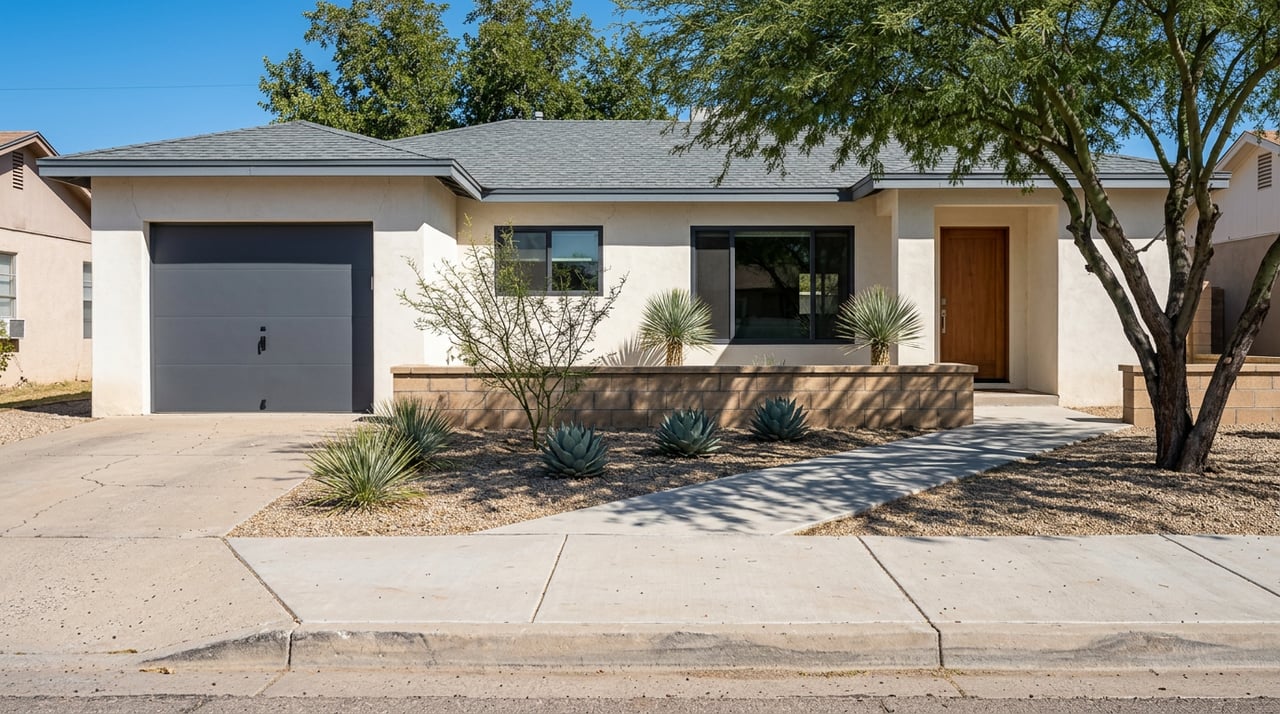
Older areas cluster around downtown and the Andy Devine Avenue corridor along historic Route 66. The National Register documentation highlights early 20th-century styles and façades that give these streets their character. You will notice Craftsman bungalows, Mission and Spanish Revival influences, and mature shade trees near the historic district and courthouse area. For background on recognized historic assets and streetscapes, review the National Park Service’s Kingman historic district documentation.
What does that feel like day to day? Blocks are typically smaller and closer to shops, cafes, and civic services downtown. Walkability varies by address, but central locations tend to have shorter drives for errands compared to outlying subdivisions.
Newer neighborhoods: Where and what to expect
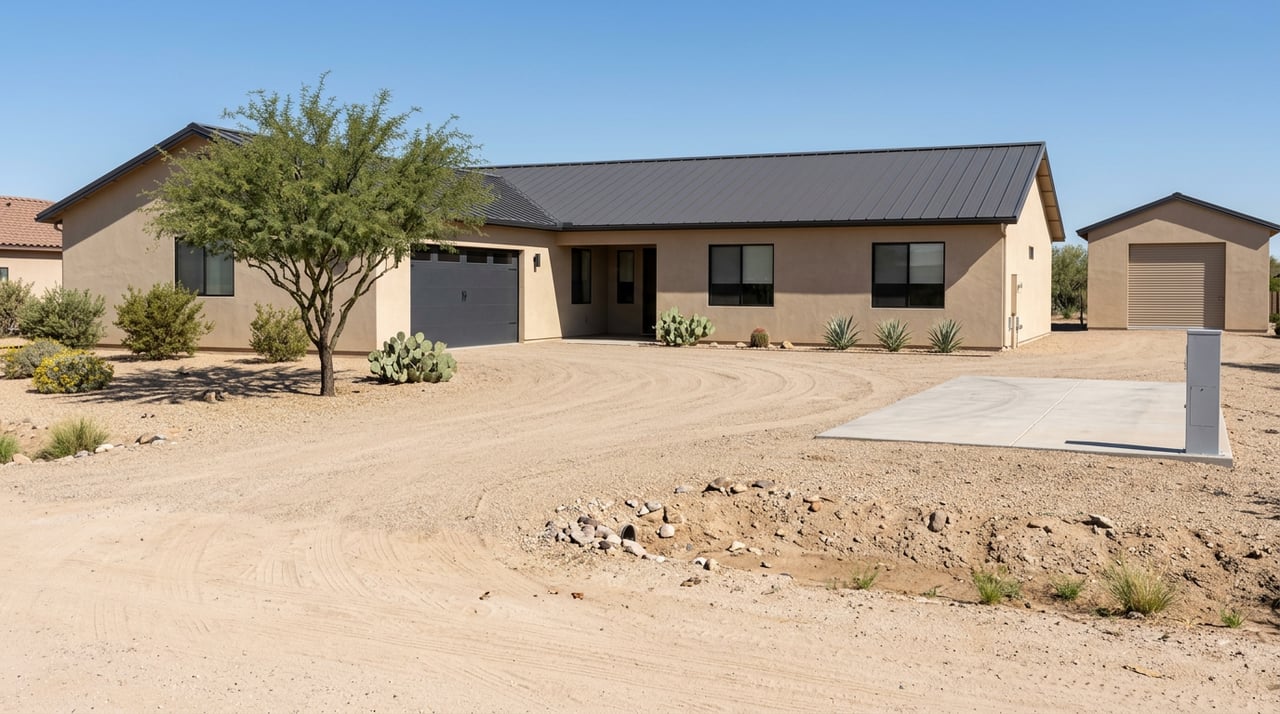
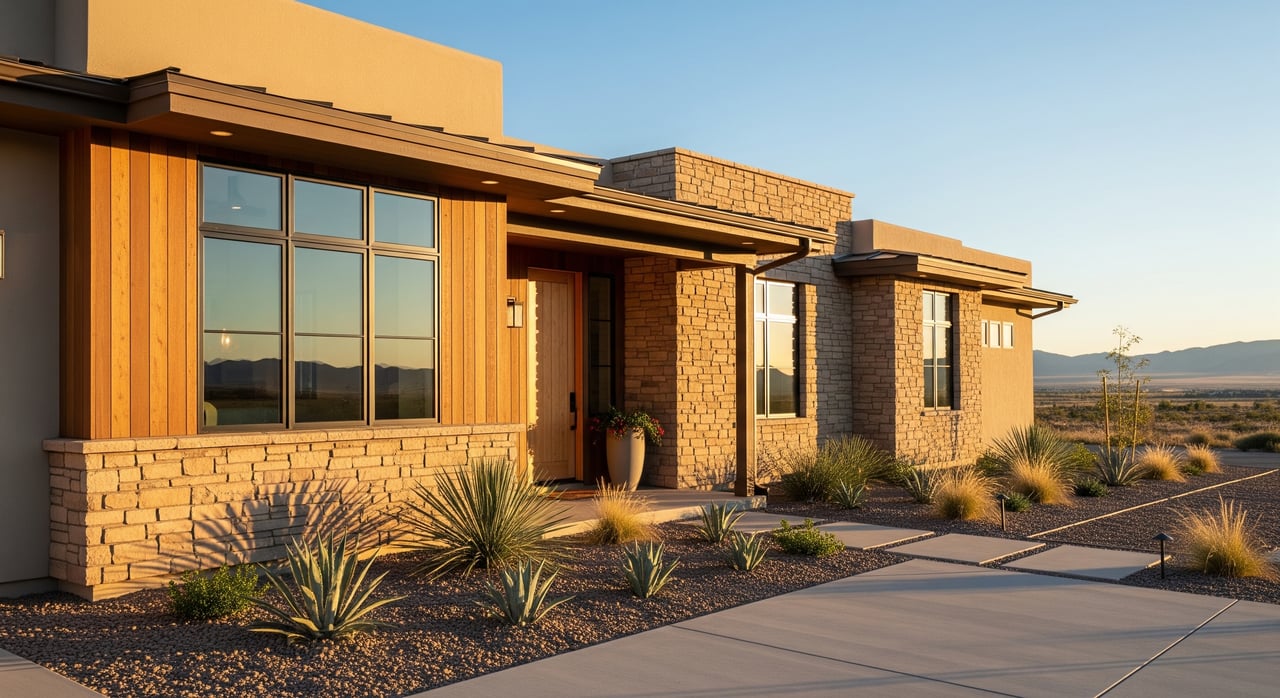
Newer development radiates out from the city core, including subdivisions along and beyond the Stockton Hill corridor and planned communities to the north and east. Valle Vista is a good example of an amenity-focused community north of town with many newer and ongoing builds. Expect contemporary single-story floor plans, stucco exteriors with tile roofs, wider streets with cul-de-sacs, and professionally designed common areas. Many newer communities include HOAs that manage architectural guidelines and shared spaces.
Citywide, the median year homes were built is around 1995, which reflects a broad mix of ages. The city’s demographic profile also shows strong building activity from 2000 to 2009 and a meaningful share built from 2014 on, so you will find both established and new-home options across the market. See the City of Kingman demographic packet for median year built and housing stock detail.
Lots and outdoor space
In and near downtown, older plats often have smaller, regular lots. As you move into newer subdivisions and county pockets, lots tend to get larger and may accommodate RV parking, outbuildings, or extended patios. Some outlying communities and rural parcels offer acre-plus tracts.
If outdoor space is a priority, check parcel zoning, setbacks, and any HOA restrictions. Newer subdivisions sometimes have minimum-lot or parking rules that affect how you can use the yard.
Systems, maintenance, and inspections
Older homes can deliver one-of-a-kind character, but plan for age-related upkeep. Common projects include roof replacement, electrical panel updates, HVAC replacement, window or insulation upgrades, and plumbing repairs. If a home predates 1978, ask about potential lead-based paint disclosures. Always order a full home inspection and consider specialist evaluations, such as roof, HVAC, pest, or a sewer scope on older properties.
Newer homes often have modern systems, higher insulation standards, and double-pane windows already in place. Immediate needs may be more cosmetic. If you are buying new construction or a recently built home, confirm builder warranties, final permit and certificate of occupancy records, and HOA documents.
Energy efficiency and monthly bills
Generally, post-2000 construction in Kingman benefits from better insulation, newer HVAC units, and modern windows compared with older homes. Actual performance varies by property and any retrofits completed. The city’s demographic overview reinforces the timeline of newer building that brought these improvements into the local housing stock. For broader context on construction eras and housing characteristics, review Kingman’s demographic and housing profile.
Buyer tip: Ask for the age and service history of HVAC equipment, attic insulation details, window type, and water-heater age. If a home includes solar, confirm interconnection details. Local utilities can advise on address-level programs and rebates. Start with UniSource Energy Services’ contact page.
Utilities, sewer, and service boundaries
Service providers can change from block to block based on whether a property is inside city limits or in an unincorporated county pocket. Many in-city addresses use municipal water and sewer. Electric and gas service may be provided by UniSource Energy Services, while outlying or county areas can have cooperative service. City utility billing and provider coverage should be confirmed for each parcel. A recent City of Kingman posting illustrates how utility services are organized for municipal customers and why verification matters at the address level. See the city’s utility-related job listing page for context.
Buyer tip: Do not assume sewer, water, or gas availability based on a map pin. Call to confirm electric provider, water source, sewer or septic, and whether natural gas or propane is used at the property. The UniSource contact page is a good starting point for service questions.
Getting around, traffic, and noise
Interstate 40 and U.S. Route 93 shape commutes and daily travel. Homes adjacent to major corridors can experience more traffic noise, while newer subdivisions often include buffers and curving street layouts. If quiet is important to you, visit the property during commute hours and note parcel orientation to the highway. Learn more about Kingman’s location along I-40 and US-93 on the city’s Wikipedia overview.
Proximity to shops, health care, and schools
Older, central neighborhoods near Andy Devine Avenue have some of the city’s most immediate access to shops, restaurants, and civic spots. Kingman Regional Medical Center serves as the primary medical hub and is located near Stockton Hill Road, which makes the Stockton Hill corridor a practical base for convenient healthcare access. You can view KRMC’s local listing for location and contact details on Mohave Local.
Public schools in the area are part of Kingman Unified School District, with some charter options. Attendance boundaries vary by address, so verify directly with the district or school. A basic directory of local schools is available at High-Schools.com’s Kingman page.
Neighborhood snapshots
- Downtown and Andy Devine Avenue (Route 66): Historic commercial core with early 20th-century architecture and established residential streets nearby. If you appreciate character homes and quick trips to local dining and services, this central area is worth a look. For a sense of the district’s historic fabric, browse the National Register documentation.
- Stockton Hill corridor and north Stockton Hill: Major retail and service artery for Kingman with newer subdivisions nearby. Many buyers choose this area for its convenience to shopping and medical services.
- Valle Vista: A golf-oriented community northeast of town with a mix of existing homes and new construction. Expect HOA-governed amenities, planned streets, and desert landscaping.
- Outlying rural parcels and county pockets: Larger lots, more privacy, and different utility setups are common. Expect septic, propane, or well water in some areas and county-level permitting.
Quick decision guide
Use these questions to match your priorities to the right part of Kingman:
- Maintenance budget: Are you open to renovation and periodic system upgrades, or do you prefer newer systems under warranty? Older areas may need more near-term updates. Newer areas often reduce early maintenance.
- Walkability vs yard space: Do you want close-by shops and services, or do you prefer larger lots and cul-de-sacs? Central blocks can shorten errands. Subdivisions may offer more private outdoor space.
- Access to services: How close do you want to be to retail, KRMC, and daily routes like Stockton Hill? Proximity can save time each week.
- Noise tolerance: How sensitive are you to traffic or highway sound? Visit homes near I-40 and US-93 at peak hours to evaluate.
Buyer checklist: Compare older vs newer
- Confirm the exact year built and ask for permit history on roofs, additions, or electrical upgrades.
- Verify utilities at the address: electric provider, water source (city or well), sewer or septic, and gas type (natural gas or propane). The UniSource contact page can help start that process.
- Review HOA rules, fees, and reserves for any newer subdivision.
- Order a full home inspection. Add a sewer scope and targeted roof or HVAC evaluations for older homes.
- Compare commute times and daily errands. Central blocks can reduce drive times. Newer subdivisions often emphasize car access and larger lots.
- For energy concerns, request HVAC age and service records, insulation details, and window specs. Ask whether any rebates or utility programs were used and verify with the provider.
What homes cost in today’s market
Price varies by neighborhood, condition, and age of systems. Recent snapshots place Kingman’s median sale or list prices in the mid-to-high $200,000s, with ATTOM showing values near the $252,000 to $275,000 range depending on timing. For current context, see the ATTOM Kingman market page. Your final pricing decision should be guided by active and recent comparable sales from the local MLS.
The bottom line
Older neighborhoods in Kingman bring character, central convenience, and established streets. Newer neighborhoods offer modern systems, planned amenities, and often larger lots. Both can be great fits. Focus on your budget, maintenance comfort level, daily routes, and desired outdoor space to choose with confidence.
Ready to compare properties side by side, tour neighborhoods, and get local guidance at every step? Reach out to Lindsay Lowry for a friendly, no-pressure consult and a custom list of homes that fit your goals.
FAQs
What is the median year homes were built in Kingman?
- The citywide median year built is about 1995, according to Kingman’s demographic profile.
How do prices in older vs newer Kingman areas compare right now?
- Prices vary by location, size, and updates, but recent market snapshots place Kingman’s median pricing in the mid-to-high $200,000s. See the ATTOM Kingman market page for a current overview and use MLS comps for property-specific pricing.
Which parts of Kingman offer more walkability to shops and services?
- Central neighborhoods near Andy Devine Avenue and the Route 66 corridor often have the easiest access to downtown shops, dining, and civic services. Walkability still varies by address, so check routes for your daily errands.
What utilities should I confirm before buying a home in Kingman?
- Confirm electric provider, water source (city or well), sewer or septic, and whether the home uses natural gas or propane. Start with UniSource’s contact page to verify service at a specific address.
How do I-40 and US-93 affect homes in Kingman?
- These highways shape commute times and can introduce traffic noise for nearby parcels. Visit properties during peak travel times and review parcel orientation. Learn more about Kingman’s location on the Wikipedia page.
Where is the main hospital in Kingman located?
- Kingman Regional Medical Center serves the region and is located near Stockton Hill Road. See KRMC’s listing for details on Mohave Local.