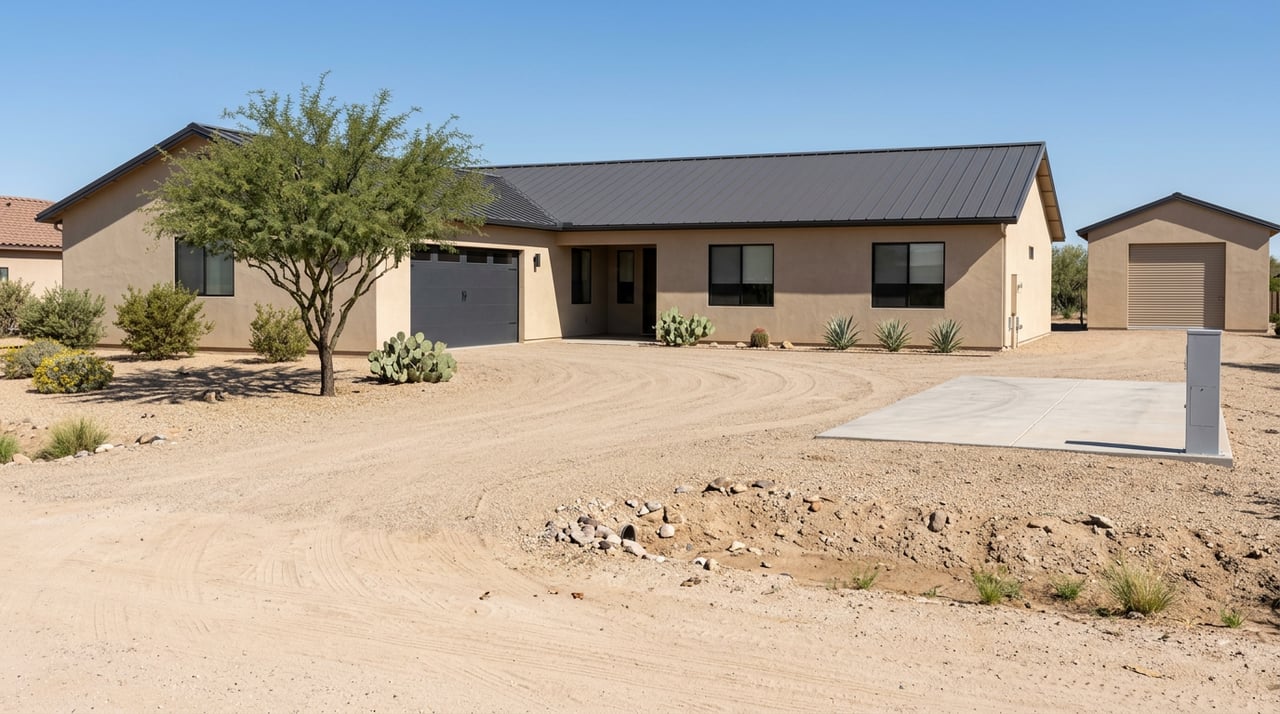
Dreaming of more space, a bigger garage, or that flex room you keep pinning on Pinterest, but worried about juggling two homes at once? You are not alone. Moving up in Bullhead City takes a steady plan so you can protect your cash, avoid double moves, and still win the right home. In this guide, you will learn proven strategies local buyers use, how to time your move, and what numbers matter most. Let’s dive in.
Read the Bullhead City market first
Smaller markets like Bullhead City can shift faster than big cities. Inventory can tighten, then loosen again within a season. During low inventory, sellers are less likely to accept a sale contingency. When inventory is higher, you may have more time to list, shop, and negotiate.
Seasonality matters too. Many Arizona resort-adjacent areas see more buyer activity in winter months, which can help your listing exposure if you plan ahead in fall. Always check the latest local MLS data on inventory and days on market before you choose a strategy.
Know your local costs. Arizona does not have a statewide real estate transfer tax. You should still confirm Mohave County title, escrow, and recording fees. Also review property tax details with the Mohave County Assessor and factor in HOA dues, utilities, and any flood or insurance requirements for your target neighborhoods.
Choose your move-up strategy
Make a contingent offer
A sale contingency means you make an offer on a new home that depends on your current home selling. The contingency window is often 30 to 60 days. The seller of your target home may keep marketing the property and can include a kickout clause.
- Pros: You limit the risk of owning two homes and avoid bridge financing.
- Cons: In a seller’s market, contingent offers can be declined or considered weaker. You may be asked to shorten the timeline.
- Local tip: Contingencies tend to work better when inventory is higher or when a property needs updates.
Sell with a rent-back
With a rent-back, you close on your sale and then rent your home back from the buyer for a short period, often 7 to 30 days. The agreement sets daily rent, deposits, and responsibilities for utilities and insurance.
- Pros: You lock your sale price and gain timing control for your purchase. You can move once.
- Cons: Lenders sometimes limit longer rent-backs or require specific language. Work with your agent and the buyer’s lender early to confirm what is allowed.
Use bridge financing or your equity
If you want to write a non-contingent offer, consider short-term financing to access your equity before you sell.
Bridge loan: Short-term funds to buy first and sell later. Costs can be higher and terms are often 3 to 12 months.
HELOC: A home equity line of credit is usually lower cost than a bridge loan but requires sufficient equity and lender approval. Rates are typically variable.
Cash-out refinance: Replaces your current mortgage with a larger loan to access equity. It resets your rate and term, and can raise your monthly payment.
Pros: You can write a stronger offer and move once into the new home.
Cons: Interest and fees raise your carrying costs. Make sure the extra cost is worth the competitiveness you gain.
Sell first, then buy
This path means you list and close your current home before buying the next one. You may use temporary housing or a short-term rental if your purchase does not align perfectly.
- Pros: You know your exact proceeds and avoid owning two properties.
- Cons: You may move twice and risk missing a specific home during low inventory periods.
Ask about loan assumption or porting
Porting your mortgage to a new home is generally not available with conventional loans. Some FHA or VA loans can be assumable if the loan documents allow and the lender or servicer approves. Most move-up buyers will not be able to take their old rate to a new purchase.
Run the numbers with clarity
What affects your net proceeds
When you sell, your net proceeds are shaped by:
- Sale price minus seller closing costs such as commissions, title, escrow, and recording fees.
- Outstanding mortgage payoff and any prepayment penalties.
- Repairs, seller concessions, and escrow holds.
- Prorated property taxes, HOA dues, and utilities at closing.
- Preparation costs like cleaning, repairs, and staging.
- Capital gains considerations for a primary residence. Many sellers who meet ownership and use tests can exclude up to $250,000 of gain if single or $500,000 if married filing jointly. Consult a tax advisor for your situation.
On the buy side, plan for closing costs that commonly range 2 to 5 percent of the purchase price, plus your down payment and moving expenses. Exact fees vary by lender and program.
Quick cashflow template you can use
- Estimate net proceeds: Estimated sale price minus seller costs minus mortgage payoff and any liens.
- Estimate cash needed to buy: Minimum down payment plus buyer closing costs plus immediate repairs and moving.
- Compare the gap: Cash needed minus estimated net proceeds.
- If there is a gap, consider a HELOC, bridge loan, cash-out refinance, seller concessions, or plan to sell first.
Sensitivity check: how small changes add up
Below is a simple example to show how a 5 percent price change or an extra 30 days of overlap can affect your net. This is example math, not a quote.
| Scenario | Assumptions | Estimated Net Proceeds |
|---|---|---|
| Base case | Sale price $400,000; seller costs 8 percent; mortgage payoff $240,000 | $128,000 |
| Sale price drops 5 percent | New sale price $380,000; same costs and payoff | $110,400 |
| 30 days overlap costs | Base case plus $2,500 in carrying costs | $125,500 |
Use a quick table like this to decide whether to pursue a non-contingent offer or sell first. Small shifts in price or timing can change your plan.
Timelines that work in Mohave County
Contingent offer route
- Week 0: Prepare, photograph, and list your home.
- Week 1 to 3: Secure a buyer for your home. Your contingency window begins.
- Week 2 to 8: Shop for the new home and submit a contingent offer with a 30 to 45 day window.
- Closing: Align both transactions inside the agreed contingency period.
Sell first with a rent-back
- Week 0: List and accept an offer that includes a post-closing rent-back of 30 to 60 days if possible.
- After sale: Apply proceeds to your down payment and close on your new home. If the purchase takes longer, extend temporary housing as needed.
Bridge or HELOC route
- Before listing: Get pre-approval for a bridge loan or HELOC. Confirm draw timing and fees.
- Make a non-contingent offer and coordinate overlapping closings by 2 to 4 weeks, depending on lender and escrow timelines.
Build a local team and plan logistics
A smooth move-up in Bullhead City is a team effort. You will want an agent with local MLS access, a lender who understands Mohave County underwriting timelines, and a title or escrow company with clear communication. Add a home inspector or contractor who knows desert systems like roofing, cooling, and xeriscape irrigation.
Give yourself extra lead time for signatures and recording since smaller markets can have fewer same-day courier options. Confirm HOA rules and dues up front. Also ask about floodplain status and related insurance because this can change affordability and underwriting.
Decision framework to choose your path
Start with five simple questions:
- How confident are you that your current home will sell at your target price within your desired days on market?
- How much usable equity do you have today?
- Can you comfortably carry two homes for a short period if needed?
- Is timing around school, work, or life events more important than squeezing every dollar out of the sale?
- Will the home you want likely require a competitive, non-contingent offer?
Then follow this quick pathway:
- If you have strong equity and face a competitive market, consider non-contingent offers with a HELOC or bridge financing if the cost is acceptable.
- If you prefer lower risk or have limited equity, sell first and negotiate a rent-back or plan temporary housing.
- If the market is balanced and you can move quickly, use a short sale contingency with a kickout clause.
- Always run your net proceeds and timing sensitivity to compare the cost of interim financing versus a lower sale price.
A quick risk guide helps too:
- High inventory favors contingencies and longer timelines.
- Low inventory favors strong, non-contingent offers or paying a premium.
- Low equity points to sell-first or lower-cost financing like a cash-out refinance.
- Tight personal timing calls for certainty through a rent-back or bridge financing.
Avoid these common pitfalls
- Letting rate locks expire. Many locks are 30 to 60 days. Plan for appraisals and underwriting so you do not lose your rate.
- Assuming any rent-back is fine with a lender. Some lenders restrict length or require specific addenda and insurance.
- Forgetting HOA, flood, or insurance details. These can change your monthly payment and approval.
- Cutting your escrow timeline too tight. Build buffer days for recording, especially if both closings must align.
Ready to move up in Bullhead City?
You can buy the home that fits your next chapter without the stress of two moves and surprise costs. The key is to choose the strategy that matches your equity, your market, and your timing. If you want a clear game plan, local pricing guidance, and help coordinating both sides of the move, reach out to Lindsay Lowry. Let’s map your path and get your free home valuation so you can move forward with confidence.
FAQs
What is the best time to list when moving up in Bullhead City?
- Activity can increase in winter months in many Arizona resort-adjacent areas, which may help exposure. Always base your timing on current local inventory and days on market.
How long are typical rent-backs for a move-up buyer?
- Rent-backs commonly run 7 to 30 days, and can extend to 60 days or more if all parties and the lender agree with clear terms and insurance.
Will a rent-back hurt the buyer’s financing or scare off buyers?
- Short rent-backs are common and often acceptable when terms are clear and properly insured. Some lenders limit longer periods or require specific language.
How much does bridge financing usually cost?
- Costs vary. Bridge loans often carry higher rates and origination fees than standard mortgages. Compare quotes to a HELOC or cash-out refinance before you decide.
Can I deduct interest or closing costs on a bridge loan?
- Interest deductibility and closing cost treatment depend on tax law and how the funds are used. Consult a tax professional for guidance.
What should I ask my lender first when coordinating both transactions?
- Ask about simultaneous sale and purchase options, whether a rent-back affects underwriting, available bridge or HELOC programs, appraisal timelines, and rate lock windows.
Are there Arizona transfer taxes or special fees I should expect?
- Arizona does not have a statewide real estate transfer tax. Confirm Mohave County title, escrow, and recording fees, plus any HOA dues and prorations at closing.