Thinking about buying in Fort Mohave and not sure if an HOA or a non-HOA neighborhood is right for you? You are not alone. The choice affects your monthly costs, what you can do with your property, and how the neighborhood looks and feels. In this guide, you will learn the real trade-offs, key questions to ask, and the documents to review so you can choose with confidence. Let’s dive in.
HOA basics in Arizona
An HOA is a private organization that enforces recorded rules called CC&Rs and manages shared areas. In Arizona, HOAs operate under state law in the Planned Community and Condominium Acts within Arizona Revised Statutes Title 33. Associations are typically nonprofit corporations with budgets, elected boards, and rules for meetings and records.
If you buy into an HOA, you agree to follow the CC&Rs and pay assessments. These assessments fund common-area maintenance, amenities, insurance for shared elements, and reserves for big repairs. Best practices for reviewing an HOA’s finances and governance are outlined by the Community Associations Institute.
What non-HOA living means in Fort Mohave
In a non-HOA area, you own your property without a private association. You follow county codes, building permits, and any recorded covenants on the parcel. Fort Mohave is unincorporated, so public services and rules come through Mohave County and special districts. For planning, zoning, and property records, use Mohave County’s official resources.
Without an HOA, you manage your own exterior maintenance and any private roads, wells, or septic systems tied to your property. You have more freedom, but you also carry more responsibility for upkeep and appearance.
Rules and lifestyle differences
Appearance and standards
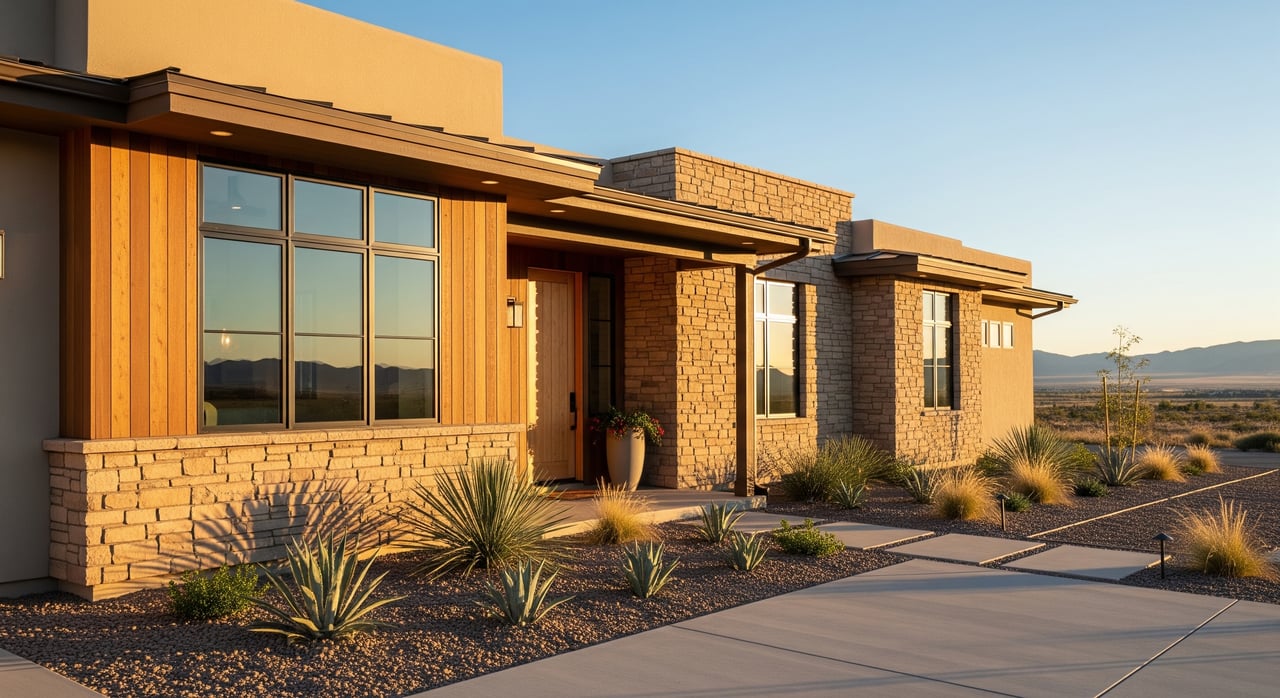
- HOA: Expect uniform curb appeal guided by architectural rules. Paint colors, fencing, landscaping types, and parking can be regulated to protect neighborhood standards.
- Non-HOA: County codes apply, but aesthetics vary by owner. You get more flexibility, and neighbors do too.
Architectural changes
- HOA: Most exterior changes require architectural review and written approval before you begin. That includes sheds, additions, paint, and hardscaping.
- Non-HOA: You still need county permits where required, but no private approval is needed. This is attractive if you plan custom projects or accessory structures.
Pets, rentals, and vehicles
- HOA: Rules often address pet limits, rental restrictions, and where you can store RVs, boats, and trailers. Long-term street parking may be limited.
- Non-HOA: You follow county and state laws for animals and parking. There are usually fewer private limits on RV or boat storage.
Amenities and services
- HOA: You may get pools, gated entries, private roads, or community centers paid for by assessments. Common-area landscaping and lighting are typical.
- Non-HOA: You rely on public amenities or your own property features. No recurring association fee, but no shared amenities either.
Enforcement and disputes
- HOA: The association can fine, send notices, and place liens for unpaid assessments. Enforcement keeps standards consistent but can feel strict to some owners.
- Non-HOA: Aesthetic disputes are private matters unless they violate county codes. There is no association to mediate or enforce appearance beyond public rules.
Costs and maintenance in the desert
What HOA assessments cover
- Day-to-day: Common-area landscaping, pool operation, shared utilities, management, and insurance for common elements.
- Long-term: Reserve funds for big repairs. Boards may increase fees or levy special assessments if reserves fall short.
- What to review: Budget, reserve study, history of fee increases, delinquency rates, and any planned special assessments.
Non-HOA cost profile
- You handle all exterior work: Landscaping, irrigation, pool care, pest control, exterior painting, and roof upkeep.
- Variable costs: Annual spending can swing based on season, contractor pricing, and big-ticket items like roof or driveway work.
- Shared access: If a private road serves multiple homes, confirm how maintenance costs are shared.
Insurance and financing
- HOA: The association usually insures common areas. You carry a homeowner policy that covers your interior and personal liability. Lenders often review HOA documents and financials during underwriting.
- Non-HOA: You carry a standard homeowner policy with no master policy in place. Underwriting focuses on the home’s condition and risks.
Fort Mohave climate factors
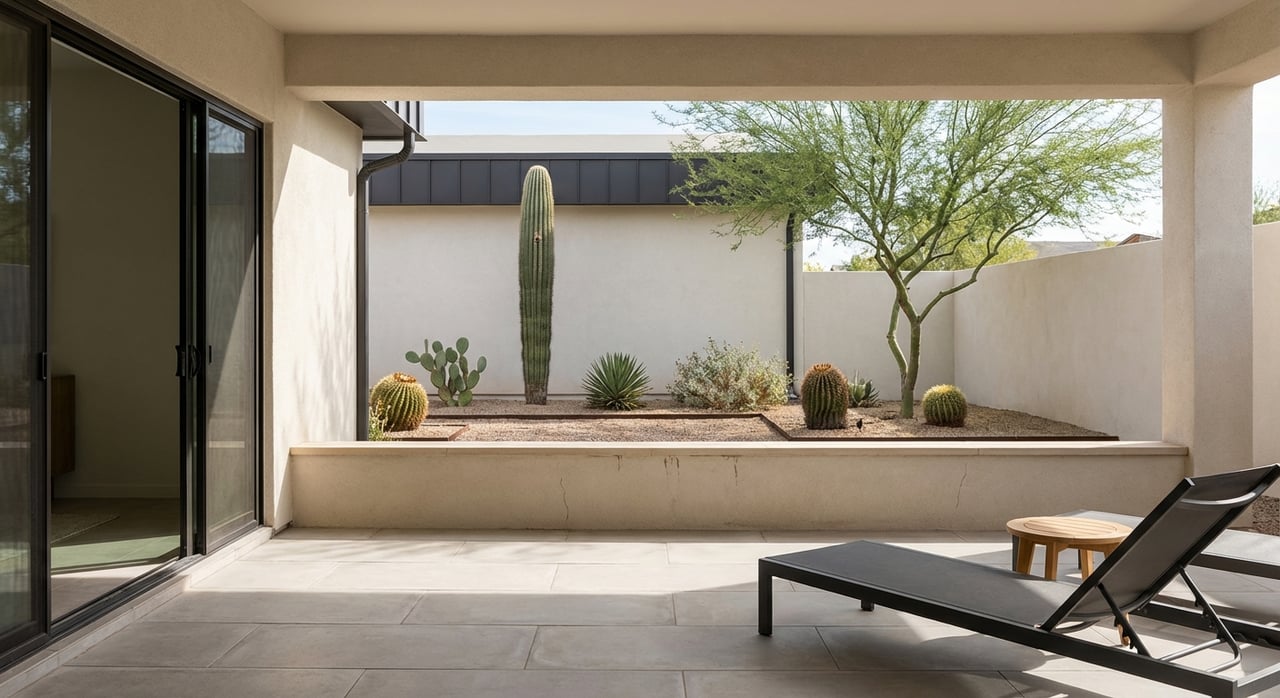
- Water-wise landscaping matters: Xeriscaping and drip irrigation help manage heat and water use.
- Pools are common: Budget for regular service, chemical costs, and repairs.
- Exterior wear: Sun exposure affects stucco, paint, roofing, and windows. Plan for routine upkeep.
Which path fits your goals?
You want low maintenance and amenities
If you prefer a neat, consistent neighborhood and like the idea of shared amenities, an HOA can be a great fit. The trade-off is following community rules and paying assessments.
You want flexibility for RVs, boats, or projects
If you plan to store an RV or boat at home, add a workshop, or customize your exterior, non-HOA areas often offer more freedom. Confirm county codes and any recorded covenants.
You are investing or plan to rent
Some HOAs restrict rentals or set minimum lease terms. If flexible rental rules are important, compare HOA documents closely or consider non-HOA homes.
You are hands-on and budget-conscious
Skipping HOA fees can lower monthly outlays, but expect to self-manage landscaping and exterior work. If you enjoy DIY or want to control vendors and costs, non-HOA living can suit you well.
Due diligence checklist before you buy
Use this list when you tour homes and request documents:
HOA properties:
- Full CC&Rs, bylaws, articles, and current rules
- Most recent budget, financials for the last 12–24 months, and the reserve study
- Meeting minutes for the last 12–24 months
- Assessment schedule and a history of increases
- Any special assessments or pending litigation
- Master insurance declarations and coverage limits
- Architectural review process and timelines
- Rental, pet, parking, and RV storage rules
Non-HOA properties:
- Any recorded covenants affecting the parcel
- Private road maintenance agreements, if applicable
- Well and septic records, permits, and recent inspections
- Any county code notices on the property
For all properties:
- Confirm utility providers and water source
- Ask about floodplain considerations near the Colorado River or washes
- Verify zoning and any use limits with Mohave County
For legal background on member rights and disclosures, review Arizona Revised Statutes Title 33 and homeowner resources from the Community Associations Institute.
Red flags to watch for
- HOA reserves are low, or special assessments are frequent
- High delinquency on assessments across the community
- Ongoing or escalating HOA litigation
- Architectural rules that conflict with your plans
- Meeting minutes show repeated, contentious enforcement issues
- Non-HOA private road costs are unclear or lack a formal sharing plan
Fort Mohave specifics to confirm
- Unincorporated area: Services like road maintenance and trash vary by location and district.
- Water and sewer: Confirm the water provider and whether the home uses public sewer or a private septic system.
- Desert landscape rules: Some HOAs regulate turf, xeriscaping, and irrigation to conserve water.
- River proximity: If you are near the Colorado River or Lake Mohave, ask about floodplain mapping and any special rules for riverfront parcels.
Next steps
Your best choice will match your lifestyle, budget, and intended use. If you love predictability and shared amenities, start with HOA communities and review their budgets and rules. If flexibility is the priority, focus on non-HOA areas and confirm county codes, utilities, and any private agreements.
If you want a local, side-by-side comparison of specific neighborhoods and documents, reach out. As a Mohave County native and full-service agent, Lindsay Lowry can help you narrow options, request the right paperwork, and negotiate with confidence.
FAQs
What is an HOA in Arizona and how is it governed?
- Arizona HOAs enforce recorded CC&Rs, collect assessments, and follow the Planned Community and Condominium Acts in Arizona Revised Statutes Title 33.
How do HOA fees compare to non-HOA costs in Fort Mohave?
- HOA fees add predictable monthly or quarterly costs for shared services, while non-HOA owners avoid fees but must budget for all exterior upkeep and repairs.
Can I store an RV or boat at home in Fort Mohave?
- Many HOAs restrict RV or boat parking, while non-HOA areas often allow it subject to county codes; always verify CC&Rs or county rules before you buy.
Are short-term rentals allowed in Fort Mohave HOAs?
- Some HOAs limit rentals or require minimum lease terms; review the CC&Rs and rules to confirm what is allowed in a specific community.
Do non-HOA neighborhoods have any rules at all?
- Yes. You must follow county zoning, building permits, and any recorded covenants on the parcel even without an HOA.
Who provides services in unincorporated Fort Mohave?
- Services vary by location and district; confirm providers and rules through Mohave County’s official resources and local utility districts.